Journal
Back to the future: what Dutch Design Week 2026 says about the materials we live in
Linen is at least 30,000 years old; nylon is under 90. At Dutch Design Week 2026 in Eindhoven, many of the newest ideas grew in a field, on a sheep or in a fungus.
In a cave in Georgia, archaeologists found flax fibres that are at least 30,000 years old. Some of them were dyed black, grey, turquoise and pink, and some were knotted. They are the oldest textiles we know (NPR).
For almost all of human history, everything we wore and slept on grew somewhere: linen and hemp in a field, wool on a sheep, silk from a cocoon, cotton on a plant. Synthetics are very young next to that. Nylon was announced in 1938, and the first nylon stockings went on public sale in October 1939, when 4,000 pairs sold out in three hours (Science History Institute). Polyester followed after the war. Today it makes up 59% of all fibre produced in the world (Textile Exchange).
In less than one lifetime, the oldest materials became the exception. At Dutch Design Week 2026, they looked like the future again.
R.A.W.: design that does not start with perfection
This year's edition ran in Eindhoven from 17 to 25 October, with more than 2,500 designers. Its theme was R.A.W. (Rebel, Authentic, Worth): design that begins with the raw material, not with a polished result (Fuorisalone). For anyone who cares what their clothes and beds are made of, that theme fits. Here are the projects that stayed with us.
Coarse Dutch wool, made soft
Most wool from Dutch sheep is considered too coarse for clothing, and much of it is wasted. Sophie Nelissen of Studio SUFI showed (GROND)STOFFEN at the Klokgebouw: soft, wearable textiles made from that coarse local wool with techniques she developed herself (Stimuleringsfonds). It is a simple idea with a big meaning: a fibre that grows a few kilometres away does not need to travel the world.
Flax that holds its own shape
Benedikt Trojer's What the Flax turned flax into bio-based composites that can be sewn, hung and inflated into shape, without plastic binders or expensive moulds. The project began with an elderly mountain farmer who used flax for almost everything, and it aims to bring flax growing back to Alpine soil, where it stopped paying off years ago (DDW programme).
Materials that grow
In the Biodesign Warehouse, curated by Emma van der Leest, everything on display was grown or transformed by living organisms: bacteria, fungi, algae and agricultural leftovers. Next to it were fungi-based coatings developed as an alternative to PFAS, soft mycelium materials for fashion, and compostable foams made from plant cellulose (Fuorisalone). Klarenbeek & Dros, among the first designers to 3D-print with mycelium, spoke at the Evoluon about living materials and short, local production chains (DDW programme).
Old crafts, new crops
Studio Noff worked with Dutch farmers on broomcorn, a sorghum that needs little water and copes with heat and drought. Crafts Council Nederland's group show WOW NATURE brought together makers who shape natural materials and let natural processes do part of the work (Stimuleringsfonds).
What connects the past and the future
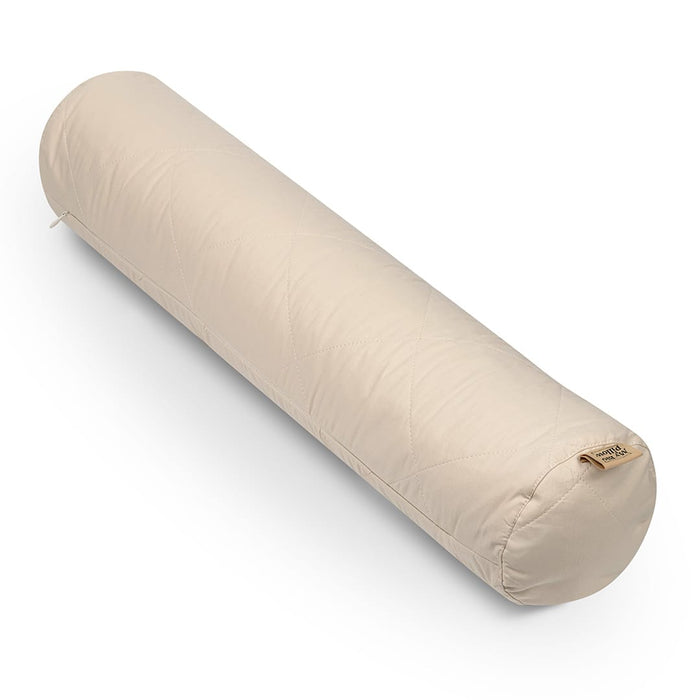
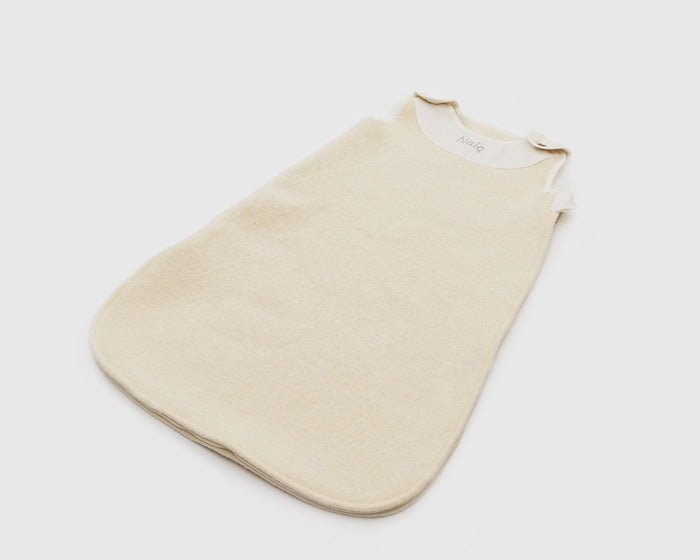
Walking between these projects, one thread kept returning: the most promising new materials behave like the oldest ones. They grow, they can be repaired, and they can go back to the soil. Some of them are still in studios and labs. Many are already here, in a linen sheet, a wool mattress for a baby's crib, a pillow filled with spelt husk from a farm a few hundred kilometres away.
That is what coco-lele collects: materials that have worked for 30,000 years, made today by brands we have checked. Every product shows its full composition, and you can filter each category by material: only wool, only linen, only cotton.
Journal